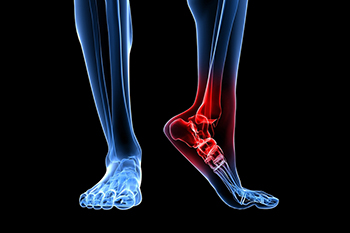
Diagnosing a heel stress fracture can be challenging because early symptoms often resemble other causes of heel pain. A heel stress fracture is a small crack in the bone caused by repeated force. Patients may have deep, aching pain that worsens with standing or walking and improves with rest. During an exam, a podiatrist checks for tenderness, swelling, and pain with pressure on the heel. Standard X-rays are often the first step, but they may appear normal in early stages. If pain continues, advanced imaging like an MRI can detect subtle bone injury and confirm the diagnosis. A podiatrist can evaluate symptoms, order appropriate imaging, and determine the severity of the heel stress fracture. Treatment plans include reducing pressure on the injured area with a walking boot or brace. This approach, along with footwear changes and careful monitoring, helps promote healing and prevent complications. If you have constant heel pain, it is suggested that you make an appointment with a podiatrist for help.
Stress fractures occur when there is a tiny crack within a bone. To learn more, contact one of our podiatrists from Livingston Foot Care Specialists. Our doctors can provide the care you need to keep you pain free and on your feet.
How Are They Caused?
Stress fractures are the result of repetitive force being placed on the bone. Since the lower leg and feet often carry most of the body’s weight, stress fractures are likely to occur in these areas. If you rush into a new exercise, you are more likely to develop a stress fracture since you are starting too much, too soon. Pain resulting from stress fractures may go unnoticed at first, however it may start to worsen over time.
Risk Factors
- Gender – They are more commonly found in women compared to men.
- Foot Problems – People with unusual arches in their feet are more likely to develop stress fractures.
- Certain Sports – Dancers, gymnasts, tennis players, runners, and basketball players are more likely to develop stress fractures.
- Lack of Nutrients – A lack of vitamin D and calcium may weaken the bones and make you more prone to stress fractures
- Weak Bones – Osteoporosis can weaken the bones therefore resulting in stress fractures
Stress fractures do not always heal properly, so it is important that you seek help from a podiatrist if you suspect you may have one. Ignoring your stress fracture may cause it to worsen, and you may develop chronic pain as well as additional fractures.
If you have any questions please contact our office located in North Bellmore, NY . We offer the newest diagnostic and treatment technologies for all your foot and ankle needs.